
Key Takeaways
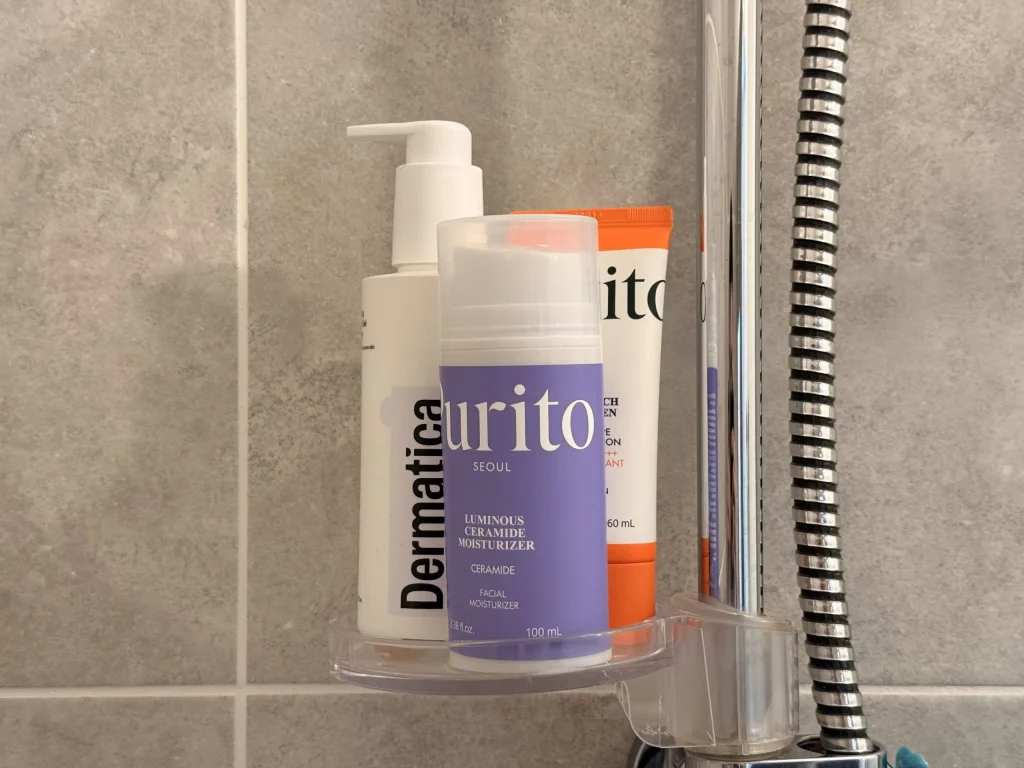
- Before experimenting with anything new, lock in a cleanser, moisturiser, and SPF your skin reliably tolerates. These three are non-negotiable first.
- Your safe products are your fallback. When a new product causes a reaction, returning to your baseline for a few days usually gets things back on track.
- Never let a core product run to zero before buying a replacement. A buffer of a few days means you always have something reliable while you assess what’s new.
- Keep a backup supply of your three safe products. You don’t have to use them daily, but have them available always.
- Experimenting is fine once you have a stable foundation. Without one, you can’t isolate what’s causing problems or trust that anything new is actually working.
I have a problem. I enjoy buying skincare more than I probably should. Not in a ten-step-routine, seventy-products-on-a-shelf kind of way, but I like trying things. New formulas, different textures, that cleanser everyone keeps mentioning. Most of the time it’s fine. It does its job and life goes on.
But sometimes it doesn’t go fine. Sometimes I wake up three days into trialling something new and my skin is visibly unhappy. Tight, reactive, breaking out in places it usually doesn’t. And in those moments, the worst thing you can be is without a reliable fallback.
That’s what this post is about. Not a routine, not a trend. A principle: before you buy anything new, you need to have already figured out your three safe products. A cleanser, a moisturiser, and an SPF. Until you have those locked in, nothing else should be entering the rotation.
Why the basics have to come first
The function of a cleanser, moisturiser and SPF is not glamorous. Cleanse away debris and excess oil without stripping the skin. Moisturise to support the barrier and retain water. Protect against UV damage daily. That’s the loop. Everything else, serums, actives, targeted treatments, sits on top of that foundation.
If that foundation is shaky, you have no way of knowing what’s causing a problem when one appears. Is it the new serum? The moisturiser? The combination of both? Without a stable baseline, you’re guessing.
What happens when you don't have a fallback
Here’s a situation that comes up more often than most people admit. You run out of your regular cleanser. Instead of reordering it, you buy something new you’ve been curious about. Two weeks later your skin is behaving strangely. But now you’re fully into the new product, your old one is gone, and you don’t have anything to return to while things settle.
This is avoidable. Entirely avoidable.
The fix is straightforward: never let a product run out before you have a replacement ready. Reorder with a few days to spare. That buffer period matters. If the new product doesn’t work, you still have time to fall back on the old one while you sort out a replacement. Running on empty doesn’t leave you any room.
The case for buying in bulk (at least for the basics)
I keep my safe moisturiser in bulk. Same cleanser, same SPF. I don’t always use them day to day because I’m usually trialling something else. But they’re there. When I’ve pushed my luck with a new product and my skin is suffering, I go straight back to those three things and give my skin a few days to settle. Within about a week, things are usually back to normal.
That’s the point of having them. Not to use forever, but to have available always.
Keep a buffer stock
For your three safe products specifically, never let them run completely out. A backup or a few remaining days’ worth gives you a safety net when a new product goes wrong.
Don't buy new as your old runs out
Switching at zero means you’re fully committed to the new product with no fallback. Buy new while you still have a few days left so you can test without pressure.
Log your reactions
Even a rough note in your phone helps. If you know a product caused breakouts or sensitivity last time, that’s information you’ll want later when you can’t remember what you were using.
How to actually find your three safe products
If you don’t have a stable set yet, this is where to start. Pick simple formulas. Shorter ingredient lists give you less to untangle if something does react. Fragrance-free is a sensible default, especially for the cleanser and moisturiser.
Test one product at a time and give each one at least two to three weeks before deciding. Don’t introduce anything new while your skin is already unsettled. And once you find something that works consistently, commit to it as your baseline before experimenting further.
- before you have your safe set
- Stick to simple, minimal formulas
- Introduce one product at a time
- Give each product 2-3 weeks before judging
- Don't experiment while your skin is reactive
- Keep notes on what you're using and when
- once your safe set is established
- Stock your three core products as backup
- Experiment freely, one new product at a time
- Return to your safe set when things go wrong
- Reorder core products before they run out
- Give your skin recovery time before reintroducing anything new
Experimenting is fine. Experimenting without a net isn't.
None of this is an argument against trying new products. Trying things is how you find out what works. Skincare genuinely is interesting and there are products worth exploring.
The point is simpler than that. If your skin is currently reactive, or if you don’t yet have a reliable baseline routine, experimenting is just noise. You can’t read the signal when everything is chaotic. Get the foundation stable first, then build outward.
And if you’re mid-experiment and something goes wrong, your safe set is your way back. A few days with nothing unfamiliar, barrier supported, skin covered from UV. That’s often all it takes.
Before you buy anything new, check this
- Do you have a cleanser your skin consistently tolerates?
- Do you have a moisturiser that doesn't cause breakouts or sensitivity?
- Do you have an SPF you use daily without issue?
- Do you still have a few days left of your current product before it runs out?
- Is your skin currently settled, not mid-reaction?
If you answered no to any of these, the new product can wait.
If you’re experiencing persistent breakouts, sensitivity, or barrier damage that isn’t resolving after a week or two of simplified routine, it’s worth speaking to a dermatologist. A stable basic routine helps a lot, but it isn’t a substitute for professional advice when something isn’t resolving on its own.

