
How Long Does Barrier Repair Actually Take?
The honest answer is: longer than you want, and shorter than you fear. But the timeline depends on what broke it, how badly, and whether you actually stop doing the…


skincare basics & barrier health
Most of us would have better skin if we bought less, understood more, and stopped chasing every new thing the internet tells us to try. Strip the Shelf is where we cut through the noise — evidence-informed, jargon-free, and always biased towards simplicity.
What's actually in your products — and whether the evidence backs it up.
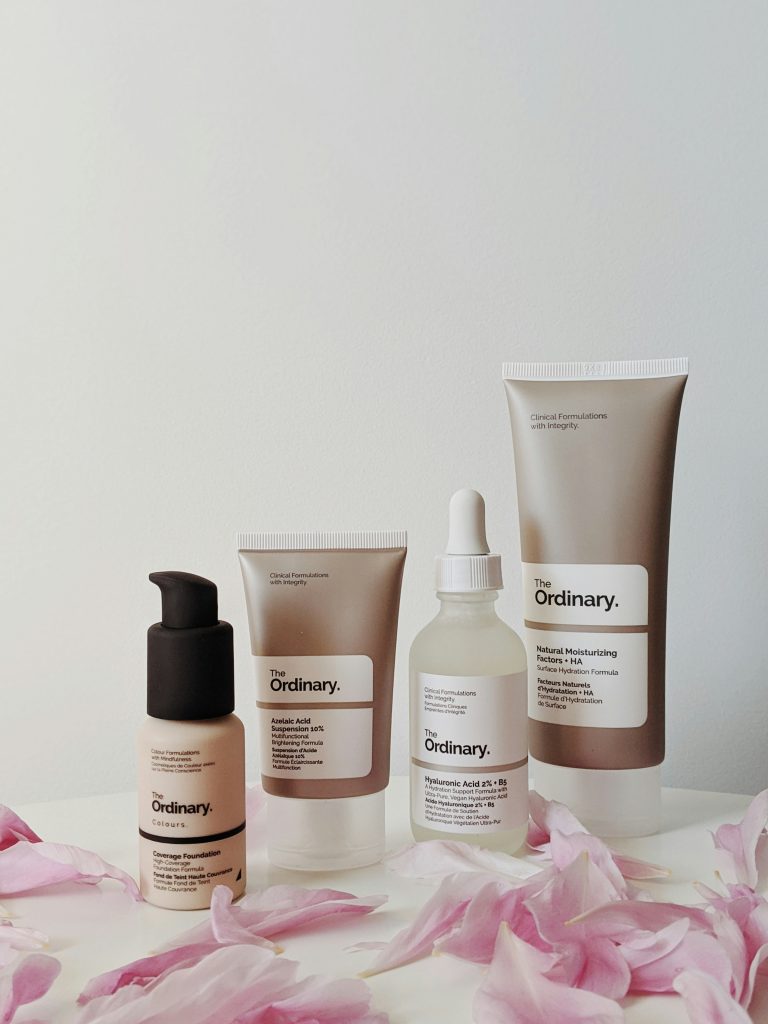
Honest assessments grounded in ingredient analysis, not PR samples or affiliate pressure.

The foundation of everything. How it works, what damages it, and how to fix it.
Cleanser, moisturiser, SPF. The fundamentals, explained clearly and without agenda.
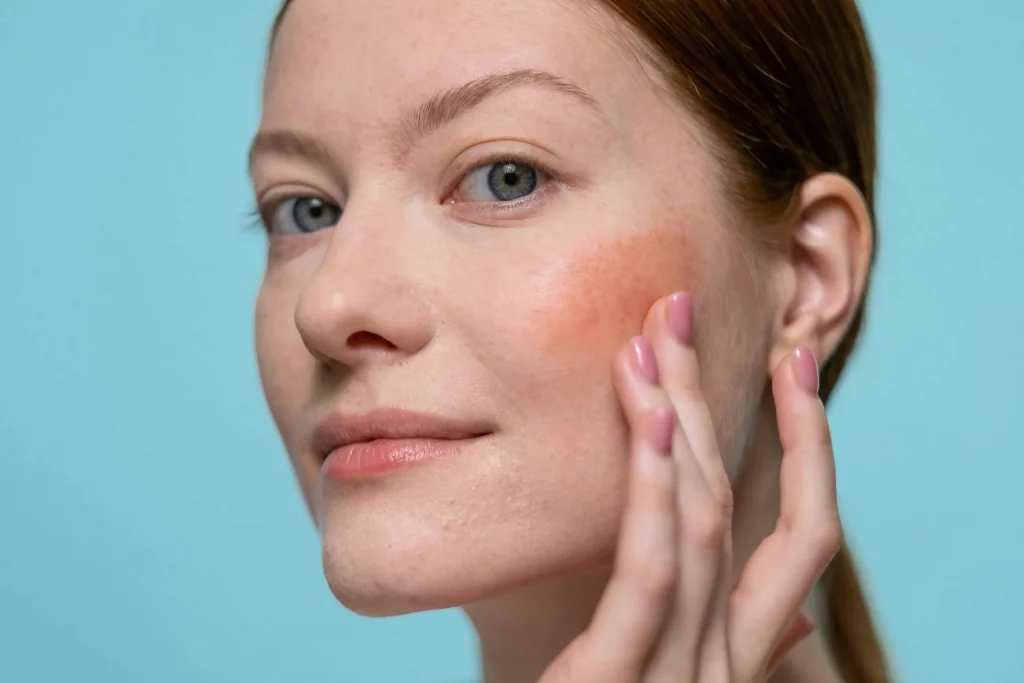


Lipids that form the "mortar" between skin cells. They make up ~50% of the skin barrier's lipid matrix and are the first thing to deplete when your barrier is compromised.
Water evaporating through the skin into the air. High TEWL is the primary sign of a damaged barrier — and why dehydrated skin doesn't respond to serums.
An ingredient that draws water into the skin. Hyaluronic acid, glycerin, and urea are the three most common examples.
The skin's naturally slightly acidic surface (pH 4.5–5.5), which protects against bacteria and irritants. Harsh cleansers are the most common thing that disrupts it.